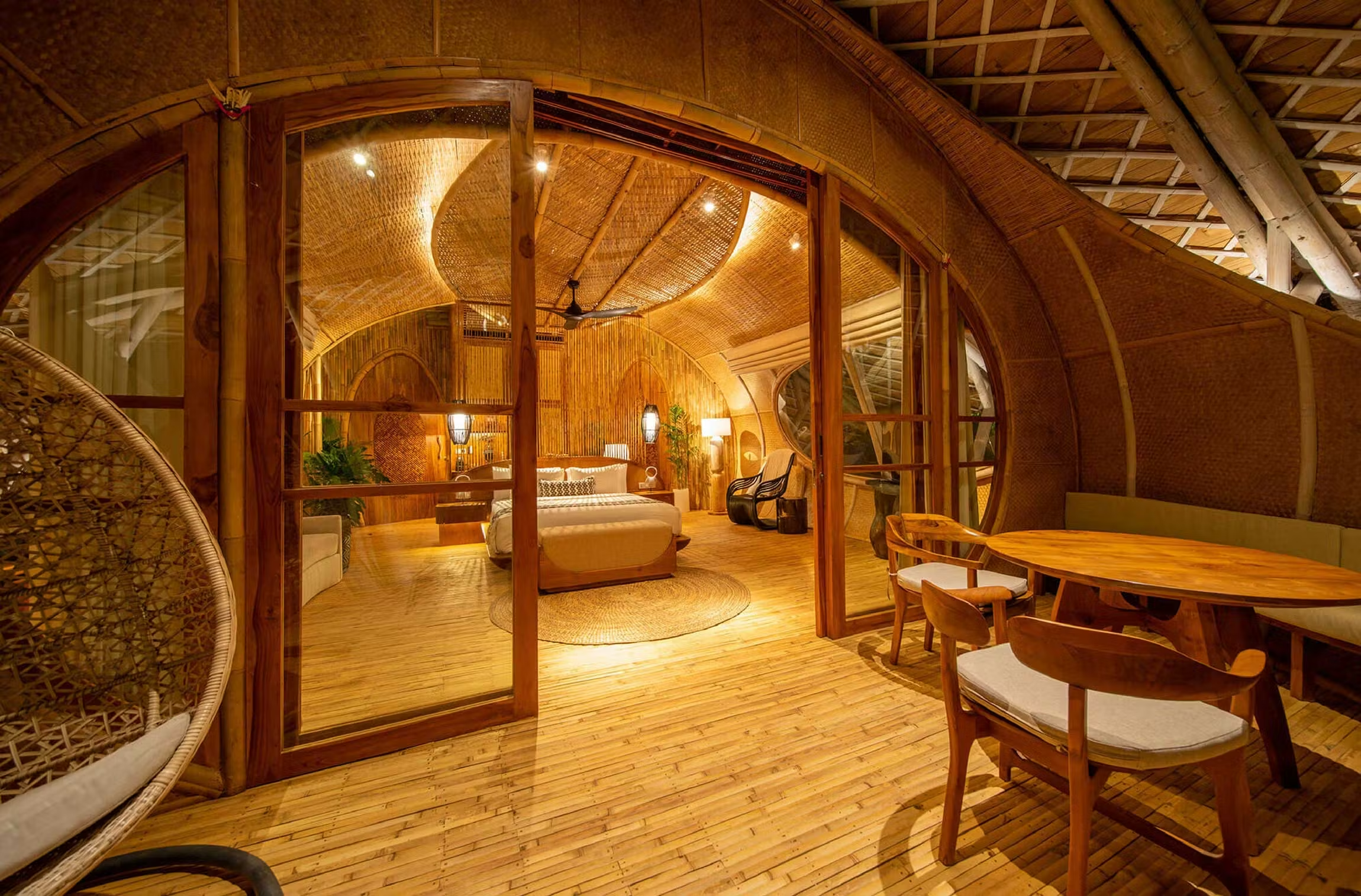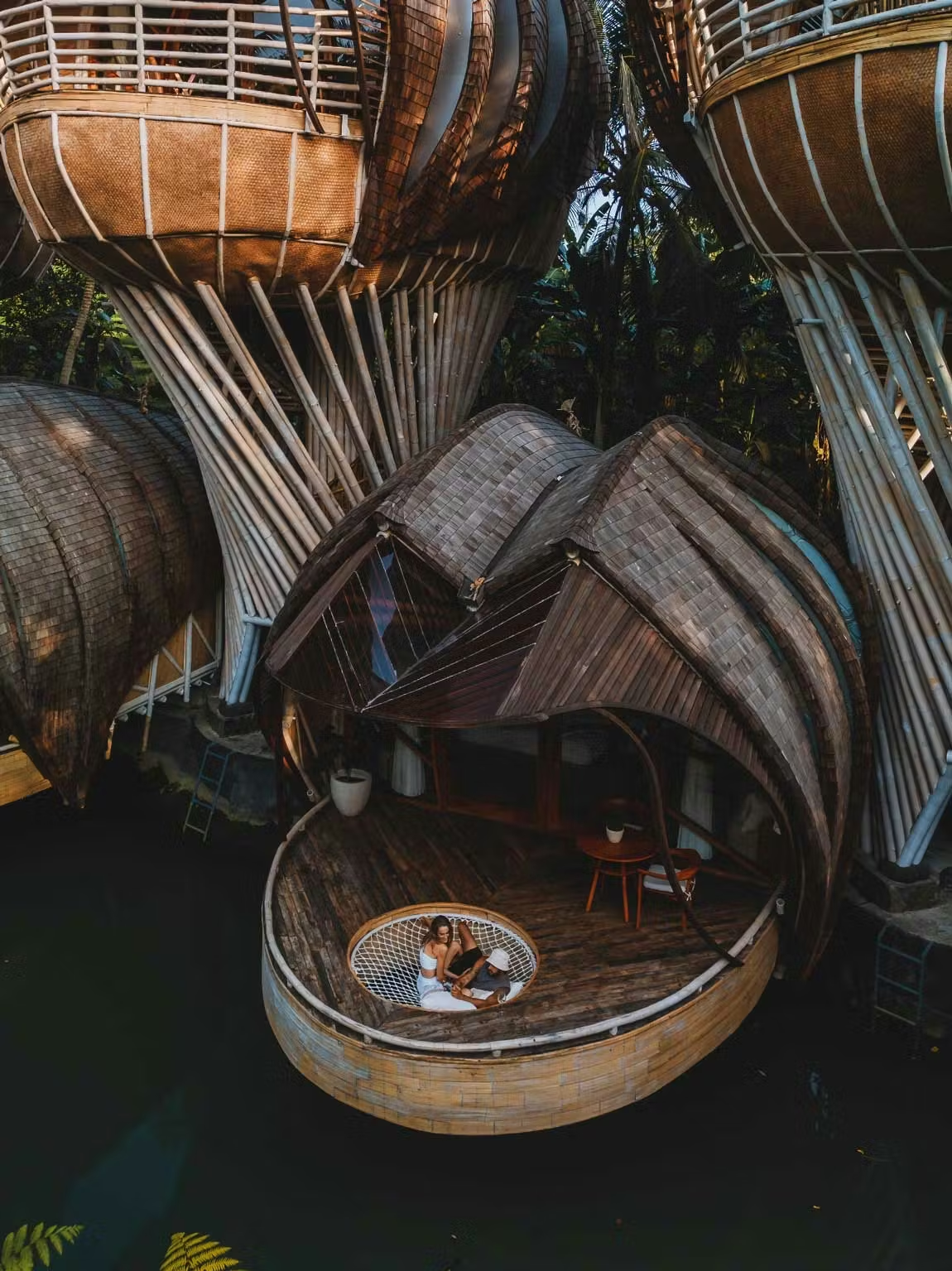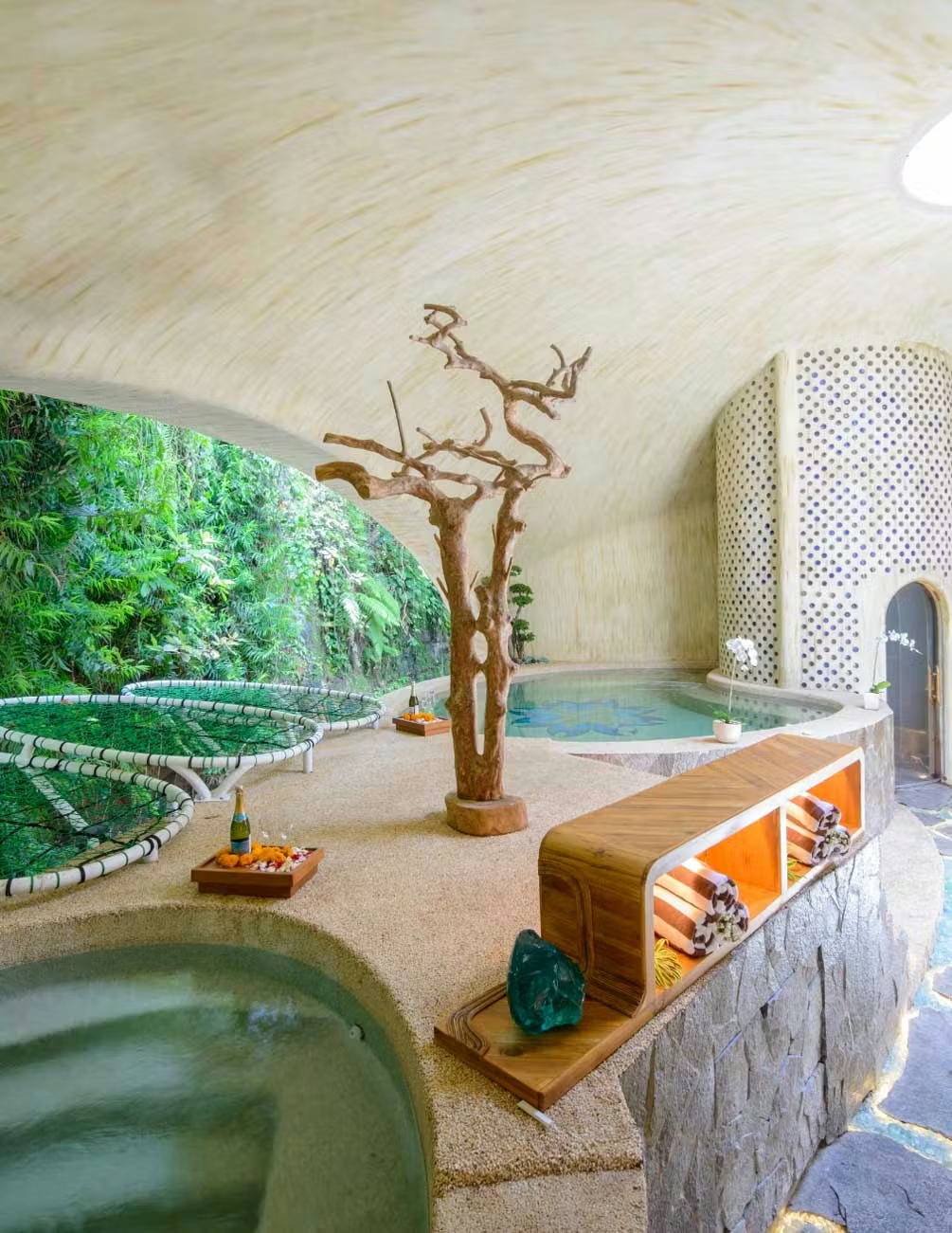
Eight people. That is the largest cohort we will run. Most of our retreats are smaller. The maths is straightforward, and the maths is the point: every additional person is a multiplier on the dynamics in the room, and dynamics, more than content, are what determines whether the work lands.
There is a real economic argument for larger groups. We have been offered it many times. We decline, every time, for the same reason: above a certain size, the container becomes a venue. People are addressed rather than met. The week becomes good content with poor integration. We have seen this play out in other operators' work, and we have decided not to participate.
What small makes possible
- Genuine 1:1 attention from facilitators, not a token check-in.
- A group dynamic that can be tuned, not just managed.
- Real silence — the kind that is impossible in larger gatherings.
- Conversations that do not have to perform for an audience.
- Logistics that flex around the cohort, not the other way around.
The trade is real: at this size, our work cannot reach as many people, and the price reflects the operational reality. We have made our peace with this. The alternative — broader reach at the cost of depth — is a different business, and we are not running it.
A small room is the only place the truth can stretch out.
If you have been to retreats before and felt invisible inside them, the difference here is not the content. It is the size of the room.